
Leverage Existing Data → Apply Practical Analysis → Produce Defensible Results
Work at any level, under real constraints — and elevate your credibility with stakeholders.
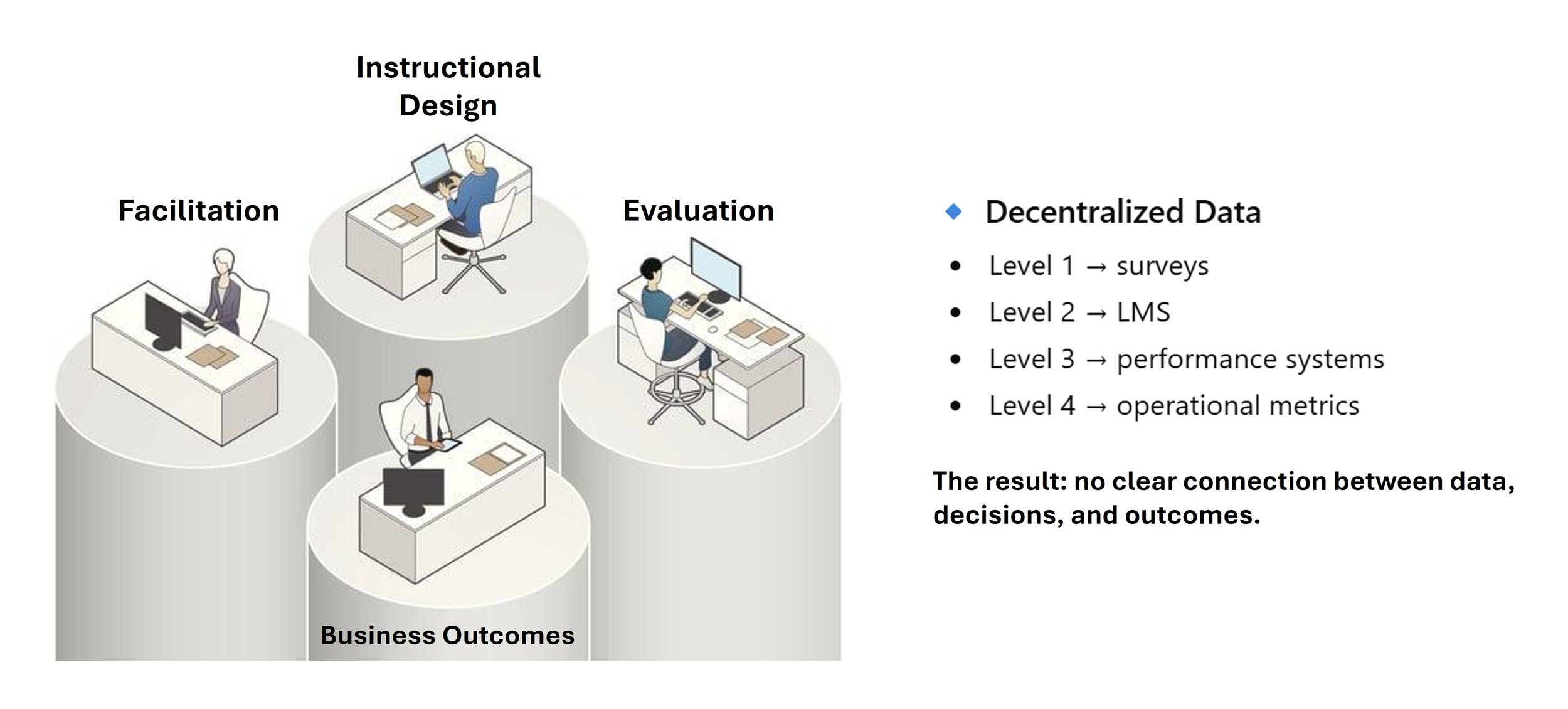
Most L&D functions are disconnected.
Data is scattered—and so are the insights.
That’s why results are hard to explain—and even harder to improve.
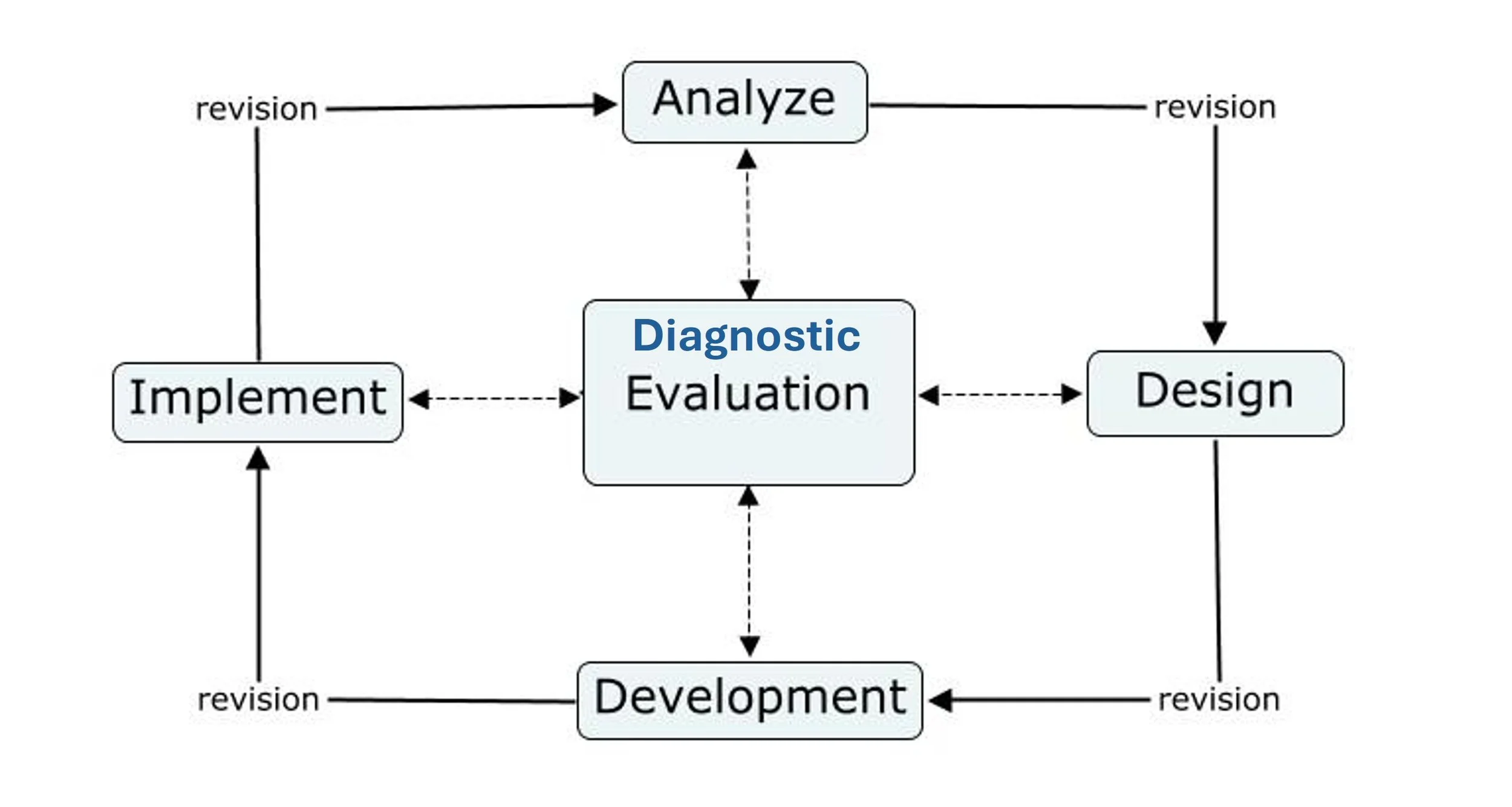
Evaluation is an ongoing, decision-making system—not a post hoc report.
When evaluation connects everything, insight becomes clear.
Identify whether results were driven by:
design
delivery
environment
other factors
This is how you get to defensible evaluation—consistently.
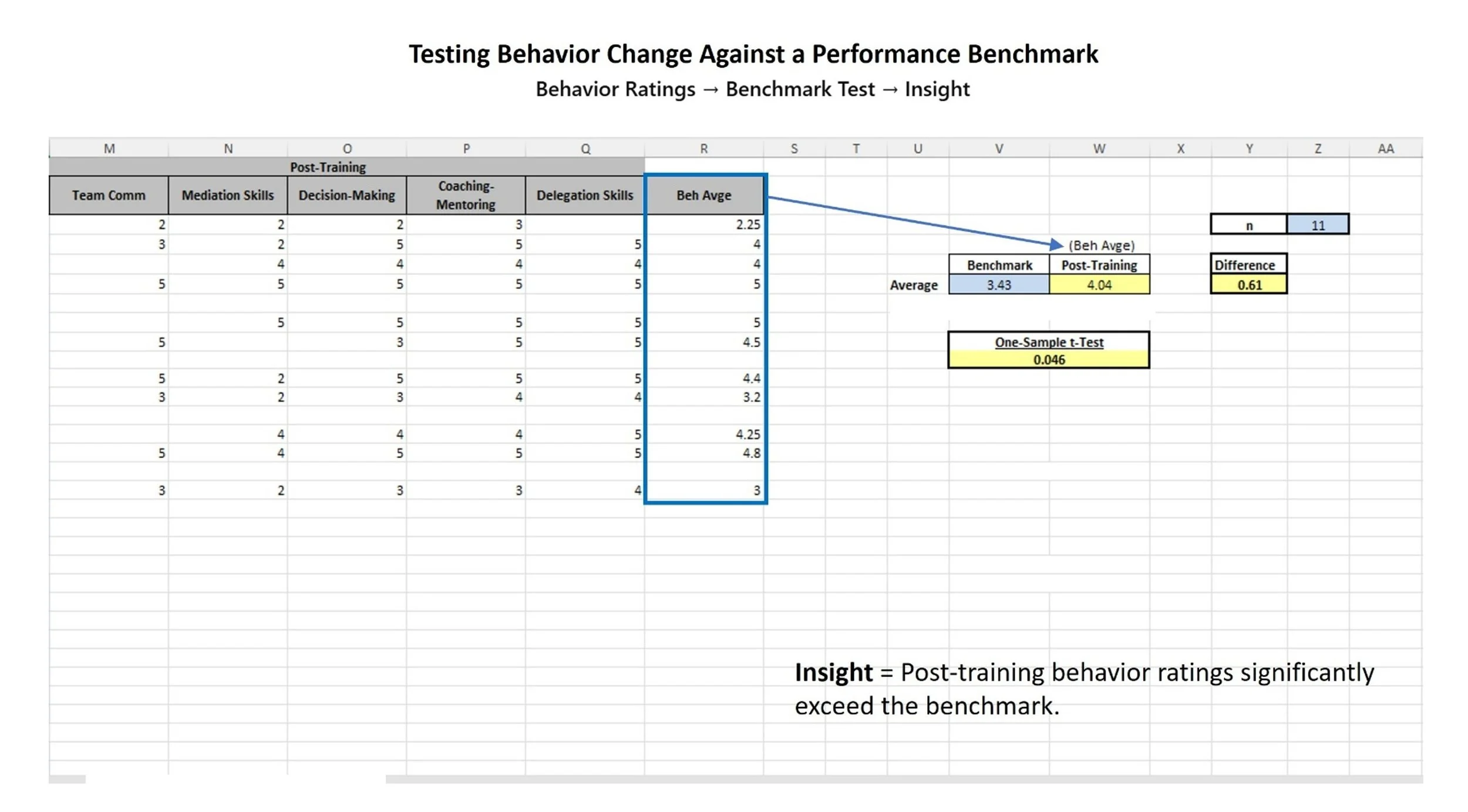
This is what defensible evaluation looks like.
Move beyond reporting and start producing defensible insights—using data you already collect.
Instead of summarizing scores, you can:
Test behavior change against a meaningful benchmark
Identify what’s working—and where to improve
Connect results to real performance outcomes
The result: More credible conversations with stakeholders—and a clearer path forward.
Based on the Causal Attribution Model (CAM), a practical framework for producing credible, defensible evaluations at any level.
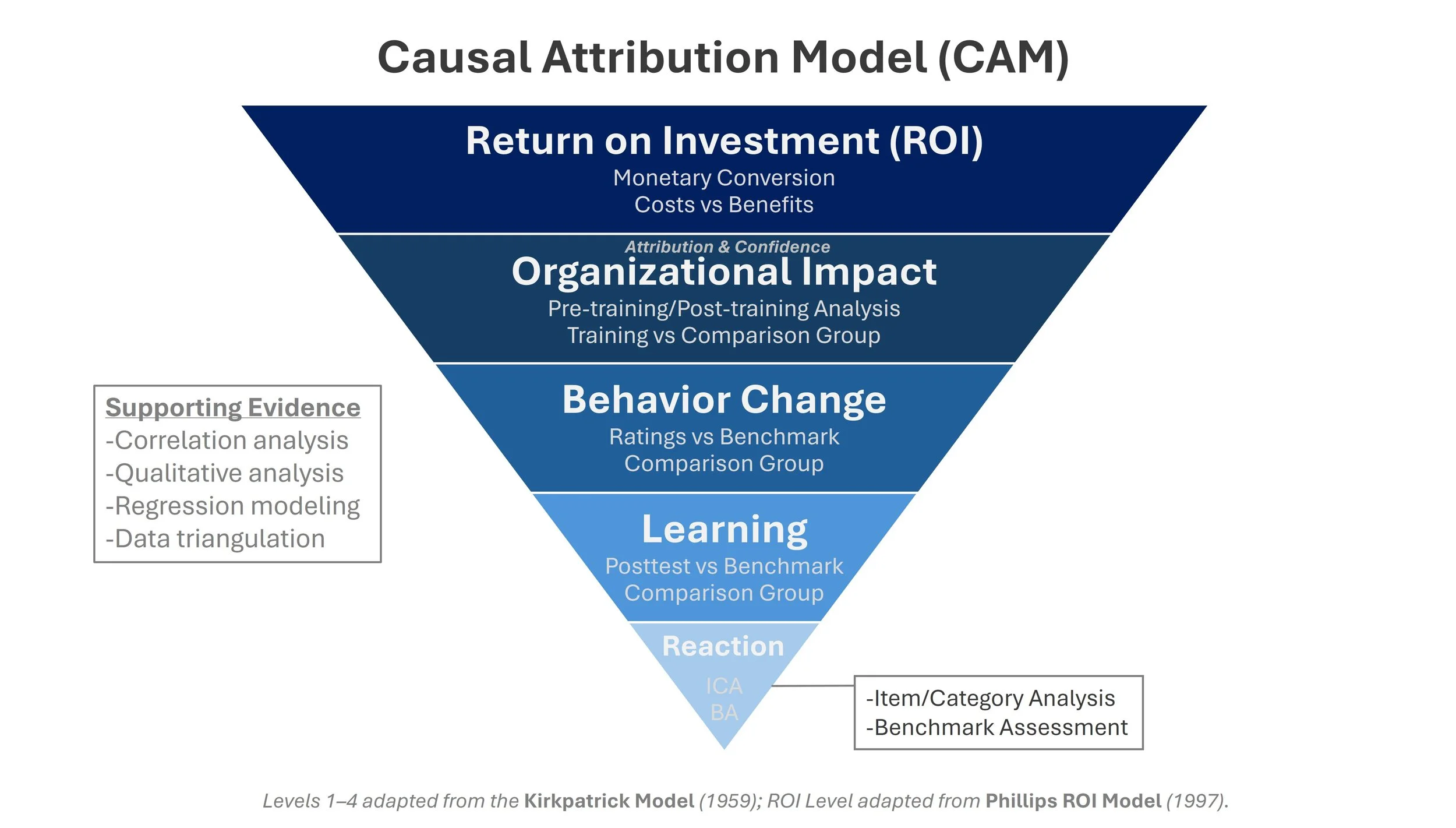
Most frameworks struggle under real-world constraints. CAM was designed for them.
Evaluation Trakker shows you exactly how to apply the model to your current situation.
Common Organizational Constraints (often misperceptions)
-No pre-test data, limited access to data, no statistics background
-No comparison group, inconsistent measurement, no time for complex analysis
→ Rigorous evaluation reframes the conversation — from exposing weaknesses to demonstrating insight, building credibility, and creating opportunities for deeper client engagement.
👉 Have a specific situation? Let’s talk →
Who this is for...
-L&D teams who need credible evaluation results
-Consultants who want defensible client reporting
-Analysts who need methods that hold up under scrutiny
Take the Next Step with Evaluation Trakker
Join the Community
Connect with practitioners interested in practical, defensible approaches to training evaluation. Share ideas, tools, challenges, and lessons learned.
Bring a Workshop to Your Organization
Give your team hands-on experience applying practical evaluation methods to real training data and decisions.
Explore Partnership Opportunities
Need evaluation support beyond a workshop? Explore project-based consulting, co-consulting, or ongoing evaluation support tailored to your organization.
Ready to stop guessing and start showing impact?